
August 31, 2026
Stake Bot: What Automation Actually Does on Stake.com
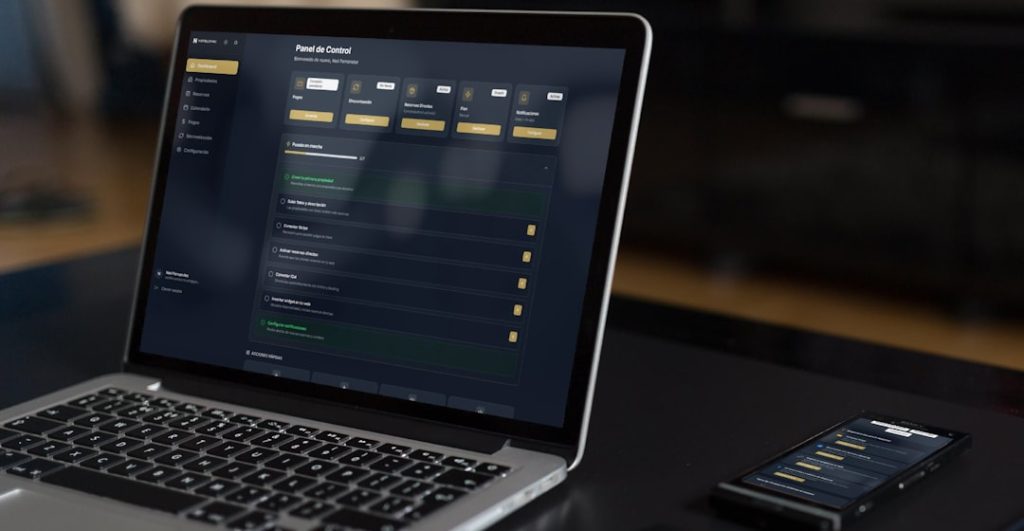
A Stake bot is software that places bets on your behalf on Stake.com, reads each result, applies a pre-configured betting rule, and repeats the loop without you touching the keyboard. It manages session execution across games like Dice, Crash, Mines, Limbo, and Hilo. It does not change the maths behind any of them.
That distinction is the whole story. Bots automate the mechanical parts of play: bet sizing, progression, stop-loss enforcement, and session persistence. They do not predict outcomes, reverse the provably fair seed, or reduce the house edge. If you are evaluating whether automation is worth installing, the question is not whether a bot can win for you. The question is whether it can execute your strategy more consistently than you can, for longer, without the judgement errors that cost money at 3 AM. For the broader framework on what casino bots do and do not do across all game types, see our casino bot buying guide.
This article is the hub for everything we write about Stake bots at StakeProSoft. It covers how a bot connects to your account, which games support automation and how their parameters differ, how to set up your first session, the honest limitations no seller will tell you about, and the account safety measures that keep long sessions alive. Each section links to deeper articles on game-specific bot configurations. Start here, then drill into the game that matters to you.
How a Stake Bot Connects to Your Account

A Stake bot connects to your account through the same authentication flow you use manually: it sends your credentials, receives a session token, and includes that token on every subsequent API request. The bot is not creating a backdoor or exploiting an API gap. It is automating the login and bet-placement process that happens in your browser when you play by hand.
Session Tokens and Authentication
When you log in to Stake.com, the platform issues a session token passed as the Stake-Session-Token header on every API request. Community documentation indicates these tokens are typically valid for about 30 days and may be refreshed before expiry. Your bot stores this token persistently after the first login and reuses it for every bet, result read, and account query. When the token expires or is invalidated, the bot detects the authentication error in the API response and triggers a re-authentication flow rather than retrying with a dead token.
Retrying a stale token generates noise: failed requests, rate-limit proximity, and suspicious traffic patterns. A well-built bot detects the expiry once, handles it cleanly, and resumes. A poorly built one hammers the endpoint until the platform flags the session.
The 2FA-Aware Login Flow
If you run Stake.com bots on a VPS, you have probably hit the wall where your session dies mid-run because the platform requests 2FA re-authentication and nothing is there to answer it. This is the fundamental tension with unattended automation on accounts that have 2FA enabled, which they should. The security layer that protects your account is the same layer that blocks your bot from running overnight.
The answer is not to disable 2FA. The answer is to teach the bot to generate the same TOTP code your authenticator app would, using the same shared secret you registered with Stake when you enabled 2FA. TOTP (Time-Based One-Time Password) is defined in RFC 6238. The algorithm takes a shared secret and a time-based counter, computes HMAC-SHA-1, and truncates the result to a 6-digit code. The same secret produces the same code at the same moment, so any process holding the secret can generate a valid code without a phone.
When the bot detects an expired session, it generates the current TOTP code from your stored secret, sends a credentials-plus-OTP login request, extracts the new session token, persists it, and resumes the bot loop. The entire flow takes under a second. The bot is not bypassing 2FA. It is answering the 2FA challenge with the correct code, derived from the same secret you registered with Stake. For the full technical breakdown of TOTP generation, session token storage, clock synchronisation, and anti-blocking request hygiene, read our guide to 2FA auto login for Stake.com bots on VPS.
Which Stake Games Support Automation

Stake.com’s provably fair games are the natural targets for automation because their parameters are clean, their outcomes are verifiable, and their bet loops are simple enough for a bot to execute without ambiguity. Not all games present the same automation surface, though. The core four-step loop (place bet, read result, adjust next bet, repeat or stop) is the same across all of them. What changes is the parameter count, the variance level, and how quickly a losing streak can compound.
| Game | Core Parameters | What the Bot Manages | Variance Level |
|---|---|---|---|
| Dice | Win chance, bet size, progression | Bet placement, result reading, progression maths, stop-loss | Low to medium |
| Crash | Auto-cashout multiplier, bet size, progression | Bet placement, auto-cashout execution, stop-loss | High |
| Mines | Mine count, reveal depth, cash-out rule | Tile reveals, cash-out timing, stop-loss | Medium to high |
| Limbo | Target multiplier, bet size, progression | Bet placement, multiplier targeting, stop-loss | High |
| Hilo | Direction logic, bet size, progression | Bet placement, direction rule execution, stop-loss | Medium |
Understanding how these parameters differ is what stops you from treating all Stake bots as interchangeable. A dice bot manages two values per round. A mines bot manages a grid, a reveal depth, and a cash-out decision. The progression maths that work predictably in dice can wipe a bankroll in minutes on Limbo if the stop-loss is not configured for the higher variance. The sections below cover each game and link to deeper articles where available.
Dice
Dice is the simplest automation target because its parameters are binary and clean. You set a win chance and a bet size. The payout multiplier is computed as 99 divided by your win chance, so 49.5% pays roughly 2x and 10% pays roughly 9.9x. The 1% house edge lives in that 99, not in the roll itself. The bot sends the bet, reads whether the roll fell inside your range, and adjusts the next bet per your progression.
Because the logic is simple, dice is the best game for learning how progression systems actually behave over hundreds of bets before applying the same logic to something more complex. A Martingale dice bot on a losing streak doubles the stake each round until a win recovers the accumulated loss, or until the stop-loss fires. The maths is easy to follow. The outcome is easy to verify. For the full breakdown of dice-specific bot features, including configurable win chance, progression profiles, and provably fair logging, read our Stake dice bot guide.
Crash
Crash adds a timing element that dice does not have. A multiplier rises from 1x and crashes at a random point. You configure an auto-cashout multiplier and a bet size. The bot places the bet before the round starts, and if the multiplier reaches your auto-cashout target before the crash, it cashes out automatically. If the crash happens first, the bet is lost.
The variance is high. A round can crash at 1.00x immediately or run to 100x or beyond. Progression systems on Crash behave very differently from dice because the win probability at any given multiplier is not a simple percentage you can tune the way you tune a win chance. A bot targeting 2x auto-cashout will lose roughly half its rounds, but the payout structure and the frequency of early crashes mean a Martingale progression can escalate faster than it would on dice at the same apparent win rate. Stop-loss configuration is especially important here. A long dry run at a modest auto-cashout target can compound losses quickly without a hard floor.
Mines
Mines introduces a grid and a cash-out decision. You configure the number of mines on the grid and how many tiles to reveal before cashing out. The bot reveals tiles mechanically and cashes out at the depth you set. A conservative configuration might reveal two tiles and cash out every round for a small, frequent multiplier. An aggressive one pushes to five or six reveals for a higher payout but a much higher chance of hitting a mine before cashing out.
The bot enforces the cash-out rule consistently. The human player typically does not, which is the entire reason for automating it. A person who set out to cash out at three reveals will often push for a fourth when the first three are clean, chasing a bigger multiplier. The bot does not chase. It cashes out at the depth you configured and moves to the next round. For a look at the Mines bot product, including its unattended session features, see the Stake Mines Bot page.
Limbo
Limbo adds a multiplier target. You are betting that a randomly generated multiplier will reach or exceed your configured target. Higher targets pay more but hit less often. A Limbo bot adjusts bet size relative to the target multiplier: a bot hunting 10x uses a much smaller base stake than one hunting 1.5x, because the variance is dramatically higher at the longer target.
Stop-loss configuration is not optional here. A long dry run at a high multiplier target can erase a balance in minutes without a hard floor. The bot cannot predict when the target will hit. It can only place the bet, read the result, and enforce the stop conditions you set. For the Limbo bot product details, including its strategy library and stop-loss configuration, see the Stake Limbo Bot page.
Hilo
Hilo asks you to guess whether the next card is higher or lower than the current one. You configure the direction logic and the bet size. A Hilo bot applies your direction rule each round and manages the progression. Consecutive wrong guesses compound quickly, so per-session stop-loss is the difference between a manageable session and a balance wipeout in fifteen minutes.
The bot was written to look like a person playing. Timing, bet sizing, and session length are all configurable, so two customers running the same licence rarely produce the same betting pattern. For product details, see the Stake Hilo Bot page.
Setting Up Your First Bot Session on Stake

Setting up your first Stake bot session comes down to three pillars: VPS configuration for stable execution, 2FA handling for session persistence, and bankroll protection for risk control. Get all three right before the first bet, not after the first failure. The setup order matters because each layer depends on the one before it.
Step 1: Prepare Your VPS
If you are running short sessions from your local machine, a VPS is not strictly necessary. But if you plan to run bots unattended for hours or days, a VPS with a static IP and NTP clock sync is the baseline. The static IP prevents Stake from flagging your session as suspicious when the address changes mid-run. NTP synchronisation ensures TOTP codes are generated within the correct 30-second window, because if your VPS clock drifts more than 30 seconds from UTC, every 2FA code will be rejected. Run timedatectl on Linux to confirm NTP is active, and set your timezone to UTC for consistency.
StakeProSoft bots require Windows 10 or 11, 64-bit, with 4 GB of RAM and a stable connection. A VPS with VNC access lets you monitor the session remotely without keeping a local machine awake. A bot that dies when the RDP window closes is useless for 24/7 operation, so verify that the bot runs headless or with VNC before committing to a long session.
Step 2: Store Your TOTP Secret Securely
When you enable 2FA on Stake.com, the setup page displays a QR code and a text string. The string encodes a URI like otpauth://totp/Stake:your_email?secret=JBSWY3DPEHPK3PXP. The secret parameter is your TOTP secret in base32 encoding. Copy this string before you scan the QR code, because most authenticator apps do not expose the raw secret after import. Store it in an encrypted file or environment variable on your VPS, never in plaintext config or version control. The TOTP secret is equivalent to your password in terms of access power. Anyone with the secret can generate valid 2FA codes for your account.
Step 3: Configure Bankroll Guards Before the First Bet
Bankroll protection goes beyond a single stop-loss number. It is a set of layered limits that prevent the bot from ever touching more money than you intend to risk in a session. The guards that matter:
- Max wager per bet: the bot will never place a single bet above this amount, regardless of what the progression says
- Balance stop-loss: halt when your balance drops below a defined threshold
- Drawdown shutdown: stop after losing a defined percentage of the session bankroll, not just a fixed number
- Max bets per session: cap the total number of bets regardless of outcome
- Max consecutive losses: halt after a set number of losses in a row
- Session timer: stop after a configured duration, regardless of results
- Profit target: stop when you have won a configured amount
These layers work together. A stop-loss without a max wager can still place one catastrophic bet on a deep Martingale run. A max wager without a drawdown limit can bleed slowly for hours. Real protection means all the guards are active at the same time, and that you configured them before the session started, not after you noticed the balance dropping. The single most useful thing about automation is that it will not argue with a stop-loss the way a person does at 3 AM. But that only works if the stop-loss is set before the first bet.
Set the limits while you are calm and away from the game, and treat the numbers you set as final. For a deeper look at how these guards apply to dice specifically, including how a 2x Martingale can double seven times before a single recovery win, see our Stake dice bot guide.
What Bots Cannot Do on Stake
A bot cannot predict outcomes, reverse the provably fair seed, reduce the house edge, or guarantee profit. These are not limitations of a particular bot. They are mathematical constraints that apply to all software running against Stake.com’s provably fair games. Any seller claiming otherwise is selling fiction.
The Provably Fair Wall
On a provably fair platform, the outcome of each bet is determined by a cryptographic combination of server seed, client seed, and nonce before you place your bet. The server seed is a random 64-character hex string generated by Stake and shown to you only as a SHA-256 hash commitment before the round, so it cannot be swapped after you bet. The client seed is yours to set and change. The nonce increments by one with each bet under the same seed pair.
For dice, the roll is produced by HMAC-SHA256 using these four inputs. The hash output is converted to a float between 0 and 1, then scaled to the 0.00 to 100.00 range. Your win chance is the fraction of those outcomes that fall inside your winning zone. The house edge is not in the roll. The roll is a uniform random value. The edge is in the payout: 99 divided by your win chance instead of 100 divided by your win chance. That missing 1% is the entire edge, and it applies on every single bet regardless of what your bot does.
No software can reverse the server seed, pre-read it, or influence it. The seed is cryptographically locked before the session starts. A bot places the bet, receives the outcome, and reads the result, just as you would manually. It does not interact with seed generation. It cannot.
What Provably Fair Does Give You
What provably fair does give you is auditability. Every bet the bot places can be independently verified after the session using Stake’s fairness settings. A well-built bot logs the server seed hash, client seed, and nonce per bet, giving you a verification trail you can check after the run. If you want to confirm the casino did not alter results mid-run, the cryptographic record is there. But that is verification, not prediction.
The Honest Capacity Table
| What a Bot Can Do | What a Bot Cannot Do |
|---|---|
| Place bets faster and more consistently than a human | Predict the next RNG outcome |
| Apply a progression system without emotional deviation | Remove or reduce the house edge |
| Enforce stop-loss and profit-target rules automatically | Guarantee a profit over any session |
| Run 24/7 without fatigue or distraction | Overcome a long losing streak through logic alone |
| Log every bet for later analysis and verification | Access or influence the casino’s server seed |
| Handle 2FA re-authentication automatically | Change the mathematical odds of any game |
| Switch between progression profiles mid-session | Detect hot or cold streaks in a fair RNG |
| Respect configurable wager limits per bet | Bypass provably fair cryptography |
The right column matters as much as the left. Any seller claiming their bot “predicts” outcomes or uses “AI to crack the seed” is selling fiction. The seed is cryptographically secured. It cannot be reversed or pre-read. AI can manage execution speed and pattern logging at machine pace. It cannot change the house edge or predict a provably fair outcome. For the full breakdown of how casino bots work mechanically, including the four-step loop and where prediction ends and execution begins, see our core casino bot explainer.
Account Safety: 2FA and Anti-Blocking
Session management keeps your bot authenticated. Request hygiene keeps it from getting flagged as automated traffic. Both matter, because a blocked account is just as dead as an expired session. If you run bots overnight on a VPS, these are the details that determine whether you wake up to a completed session or a mess you have to reconstruct manually.
2FA Auto Login Is Not a Bypass
To be clear about what 2FA auto login does and does not do: it does not circumvent or disable the 2FA layer. The bot authenticates as you, using your credentials and your TOTP secret, and caches the resulting session token for as long as it remains valid. This is proper session management for your own account, not circumvention of a security control. The bot was never bypassing 2FA. It was answering the 2FA challenge with the correct code, derived from the same secret you registered with Stake.com when you enabled 2FA on your account.
In Python, pyotp.TOTP(secret).now() returns the current 6-digit code. In Node.js, otplib provides the equivalent function. No screenshot, no manual entry, no phone involved. The entire re-authentication flow takes under a second. For the full technical breakdown including secure secret storage options, clock synchronisation, and proactive token refresh, read our 2FA auto login guide.
Request Spacing and Rate Limit Handling
Stake.com does not publish official rate limits, but community documentation suggests keeping requests under 1 per second to stay safe. Space your API calls with a configurable delay between bets, and add jitter (random variation) so the request pattern does not look like a metronome. A base delay of 2 to 5 seconds with 0.5 to 1.5 seconds of jitter is a reasonable starting point for bet placement.
If you receive a 429 (Too Many Requests) response, back off exponentially. Retry after 5 seconds, then 10, then 30, then 60. Do not hammer the endpoint. Log the event, wait, and resume only when the rate limit clears. A bot that responds to a 429 by retrying immediately is the fastest way to get a temporary IP block.
User-Agent and Header Consistency
Your bot should present a consistent user-agent string on every request. Rotating user-agents or switching between browser profiles mid-session is a common flag for automated traffic detection. Pick one user-agent, set it once, and keep it. Include other headers a real browser would send (Accept, Accept-Language, Content-Type) in a consistent order and format. When re-authenticating, use the same user-agent and header set as the original session. A login request with a different user-agent than the session it is replacing looks like a different device, which can trigger additional security checks or session invalidation.
IP Stability on VPS
Stake.com tracks sessions by IP address. If your bot’s IP changes mid-session, the platform may flag the session as suspicious and require re-authentication or email confirmation. Use a static IP on your VPS. Avoid VPNs that rotate endpoints. If you must use a proxy, choose one with a persistent exit node. A dedicated VPS with a static IP is the most stable option. Shared hosting or serverless functions with ephemeral IPs will cause more re-auth events than necessary, which means more login attempts, more 2FA code generations, and a larger detection surface. Every unnecessary re-auth is an opportunity for the platform to question your session.
Proactive Token Refresh
Do not wait for the token to expire before refreshing. If community documentation is correct and Stake session tokens last around 30 days, set your bot to proactively re-authenticate every 7 to 10 days. This gives you a buffer against expiry and reduces the chance of a mid-session re-auth interrupting a long-running strategy. Log each refresh event with a timestamp so you can audit the re-auth cadence and spot anomalies.
Crash Recovery
What happens when the VPS reboots, the browser crashes, or the network drops mid-session? A bot without crash recovery either starts over from scratch or runs into a corrupted state. A bot with it detects the interrupted session, restores the last known configuration, and resumes from the correct position in the progression. This is not about recovering losses. It is about not losing your place in a Martingale sequence that was three losses deep into recovery, and not double-placing a bet after a reconnect.
StakeProSoft builds bot software for Stake.com that handles session management, request spacing, and 2FA-aware re-authentication as part of its core configuration. If you are weighing manual setup against a purpose-built tool, the difference is whether these guards are wired in from the start or bolted on after your first failed session. Compare your options with help from StakeProSoft by reviewing the catalogue against the parameters that matter to your setup.
Browse the catalogue to compare builds by game type and see exactly which parameters each bot surfaces: progression profiles, stop-loss levels, session guards, per-bet wager limits, and 2FA handling. Nothing is a black box. Pre-sales questions are free and a lot cheaper than a licence you cannot use, so reach out before you buy.
18+ only. Gambling involves risk. Bots automate session execution. They do not alter the house edge or guarantee profit. Set your limits before the first session and never stake money you cannot afford to lose. Play responsibly.
Frequently Asked Questions
Can a Stake bot predict outcomes on provably fair games?
No. Provably fair outcomes are determined by a cryptographic combination of server seed, client seed, and nonce before the bot places the bet. The server seed is locked and shown only as a hash commitment. No software can reverse, pre-read, or influence it. A bot places the bet and reads the result exactly as you would manually.
How does a Stake bot handle 2FA re-authentication on a VPS?
The bot stores your TOTP secret (the base32 string behind the QR code from Stake’s 2FA setup) and generates the current 6-digit code on demand using the RFC 6238 algorithm. When it detects an expired session token, it sends a credentials-plus-OTP login request, extracts the new token, and resumes. This is the same authentication flow a human follows, executed programmatically. It does not disable 2FA.
Which Stake.com games can a bot automate?
Dice, Crash, Mines, Limbo, and Hilo all support automation because their parameters are clean and their bet loops are simple. Each game has different parameter counts and variance levels. Dice is the simplest with two values per round. Limbo and Crash have high variance that demands tighter stop-loss configuration.
Does a Stake bot change the house edge?
No. The 1% house edge on Stake’s provably fair games is baked into the payout formula, not the RNG. For dice, the payout is 99 divided by your win chance instead of 100. That missing 1% applies to every bet the bot places, exactly as it applies to every bet you would place manually. No bot, strategy, or progression changes this.
What should I check before buying a Stake bot licence?
Verify that the bot exposes its actual configuration parameters (bet size, progression type, stop-loss, max wager, session timer), handles 2FA re-authentication, logs every bet for provably fair verification, supports your platform, and has documentation. If controls are hidden behind an ‘AI optimizer’ with no visible parameters, you cannot verify what the bot does. Avoid any seller claiming guaranteed profit or seed prediction.
1 comment